








The most important things in the house are invisible. And that's why they matter most. It's not about the color of the facade. It's not about the model of the roof tiles or which bathroom fixtures look better in the catalog. It's about what you can't see. It 's about the layer between you and the rest of the world - the insulation that either works or doesn't. Most people make a decision about thermal insulation too hastily. Because it is invisible, because it seems technical, because the roofer is waiting and the construction manager is rushing. And then they pay bills for decades that could be twice as low. Or they wake up in August in a house as hot as a furnace because someone once chose to use "just enough" insulation.
Comfort that isn't on the rendering
Architects and interior designers are increasingly saying that the real luxury of a home is not a matter of aesthetics. Beautiful tiles can be changed after five years. The sofa after ten. But the certainty that the house is warm in winter, cool in summer, that the bills are not a monthly misunderstanding, that there are no drafts and cold walls - will not be obtained by any post-commissioning renovation.
Modern construction understood this long ago. Energy standards are tightening with each regulatory update, and passive and energy-efficient construction is no longer a niche philosophy for enthusiasts - it is becoming the new norm. A house that "just isn't cold" is not enough today. A house is supposed to be comfortable regardless of the weather and season, and cost as little as possible to operate.
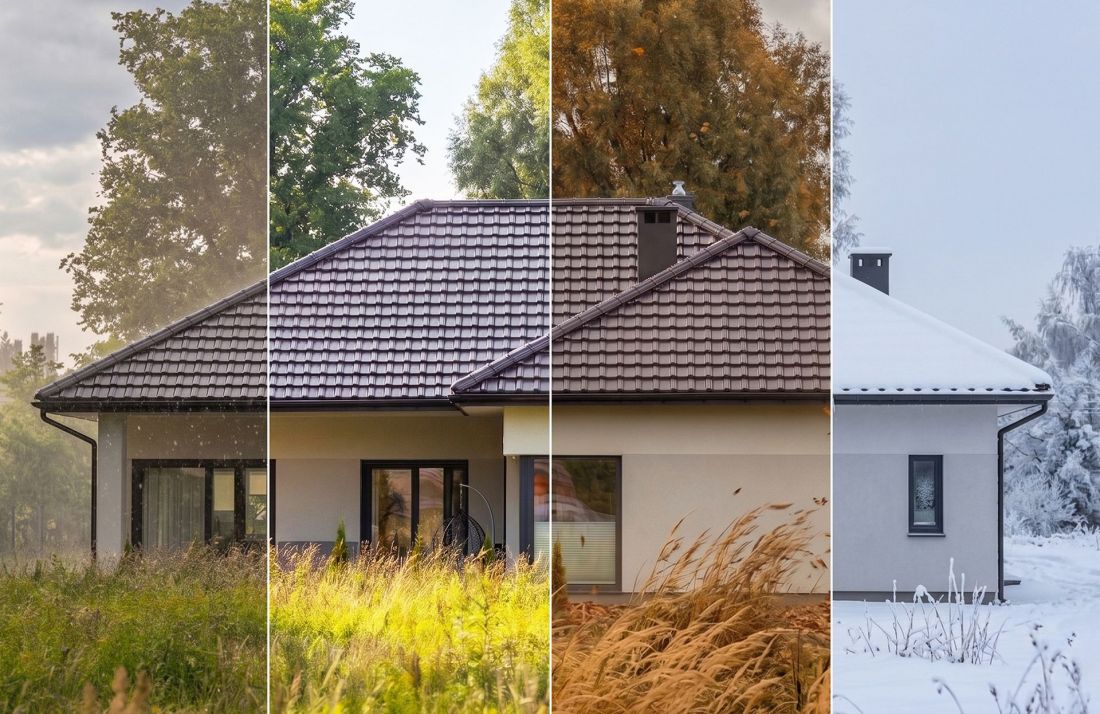
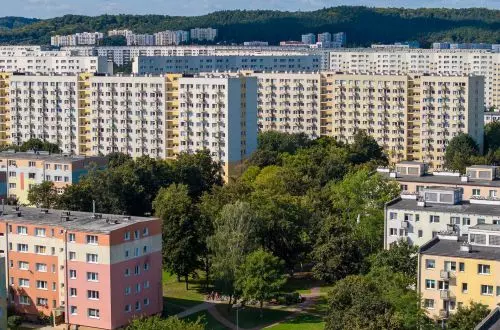
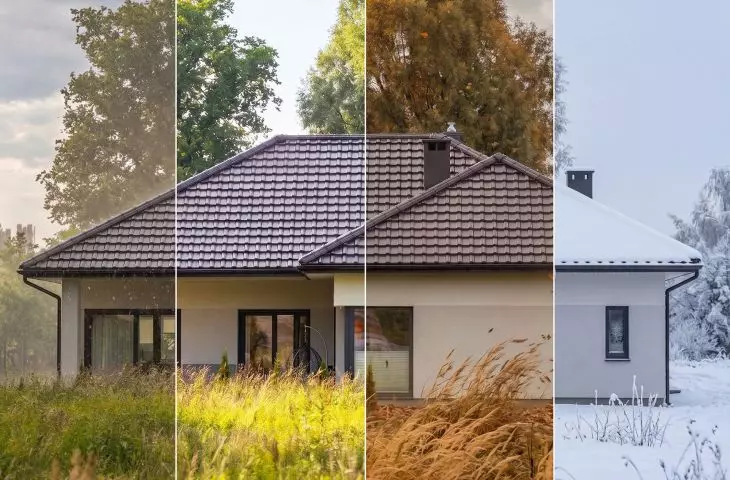
Regardless of sun or frost, a layer of swisspor insulation guards the energy stability of a home's interior
© swisspor
From the foundation to the roof - the logic of continuity
There is a mental error that many builders make: treating thermal insulation as a single problem to be solved in one place. According to the principle: "I will insulate the walls and it will be fine."
Meanwhile, heat escapes wherever you let it escape. Through the foundation absorbing moisture from the ground. Through thermal bridges around lintels and tie beams. Through the floor on the ground, which draws the cold from below in winter. Through the roof, which turns the attic into a sauna in summer. A building is a system - and every leak in that system has a price, which you pay every month, for years.
That's why preventive investors and experienced architects think about thermal insulation comprehensively - from the foundation to the last tile. And this is where it matters to choose a manufacturer that understands the system holistically, not sell individual products.
The swisspor Group - a Swiss manufacturer with more than 30 years of history, present in Poland with four production plants - has built its philosophy on exactly this principle: insulation only makes sense when it works as a coherent whole, from foundation to roof. This is not a slogan. It's an offering that encompasses every layer of a building, with products and parameters that match.
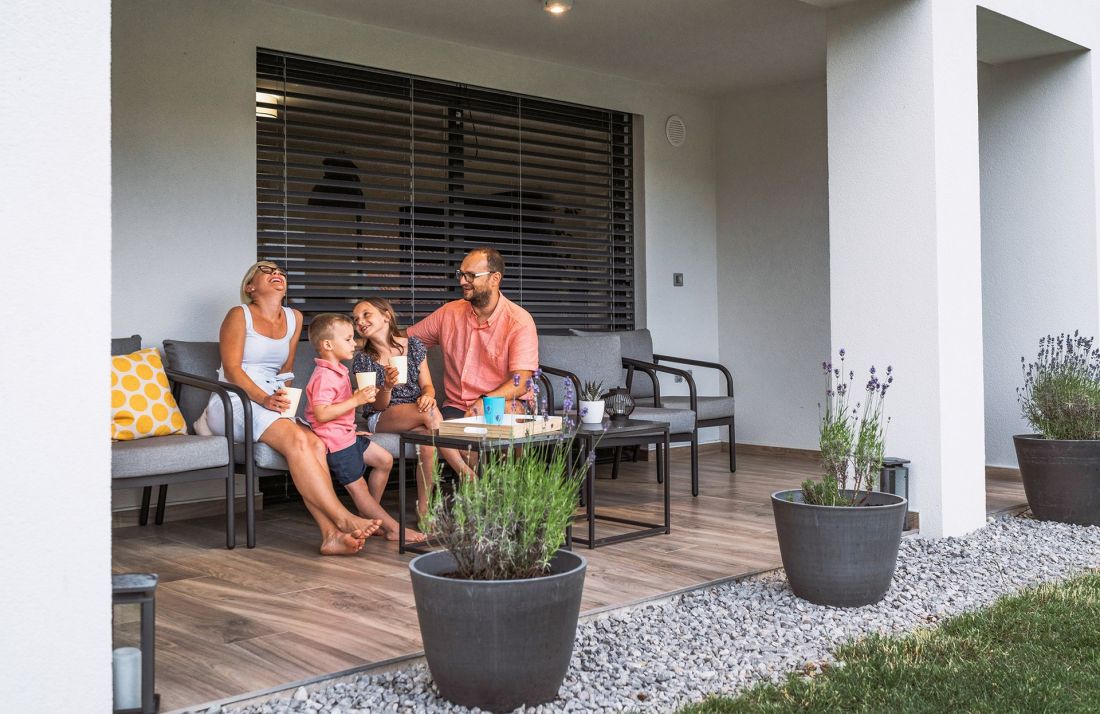
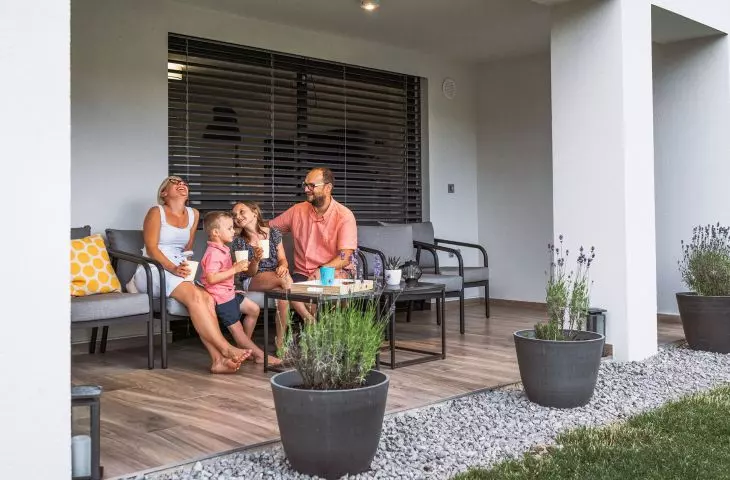
Choosing comprehensive insulation from foundation to roof is a lifelong decision that allows you to enjoy your home without worrying about rising energy costs
© swisspor
Styrofoam that is not "just Styrofoam"
Styrofoam is a word that is often treated in conversations about construction as synonymous with something cheap and replaceable. This is a serious misunderstanding.
The difference between average Styrofoam and high-quality Styrofoam is invisible to the naked eye - but very visible on the heating bill. It lies in something as mundane as the composition of the material. swisspor invariably places great emphasis on production quality , which aims to achieve the best possible parameters in terms of cohesiveness, strength and thermal insulation properties of the finished product. As a result, the parameters are repeatable and predictable, and this has a direct bearing on how a building performs throughout its life, not just in the first years after construction.
The swissporLAMBDA line - layered polystyrene panels with graphite admixture - goes a step further. With this technology, the same thermal insulation parameters can be achieved with less insulation thickness. This is important wherever space is limited: in renovations, thermal upgrades, lintels, reveals. swissporLAMBDA MEGA WHITE achieves a λd ≤ 0.031 - the best in the category of facade polystyrene - and is additionally protected by a white protective layer, which is cooler than gray polystyrene by up to 60°C in sunlight. This detail makes a huge difference during installation and storage.
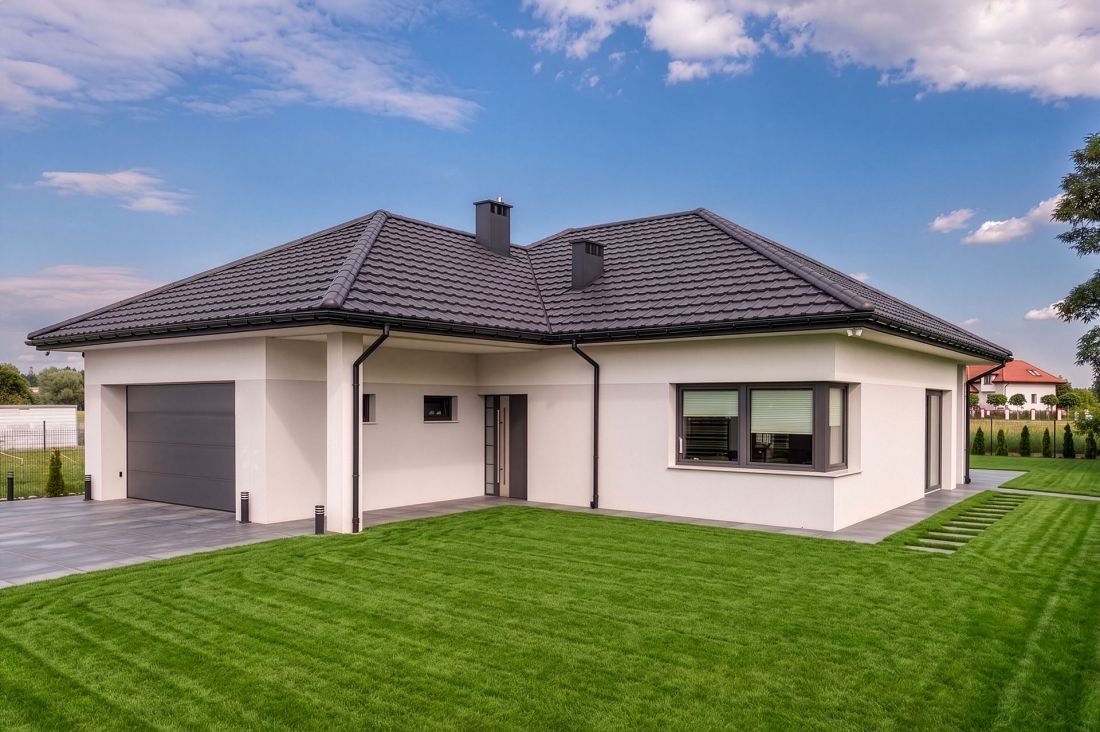
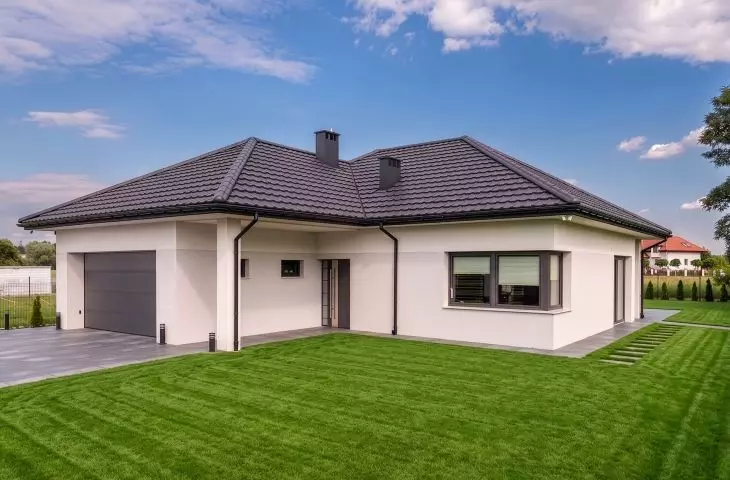
High-quality swissporLAMBDA graphite polystyrene protects the interior from overheating, ensuring comfortable coolness without the need for heavy use of air conditioning
© swisspor
Floor, wall, roof - each layer has its own requirements
Good thermal insulation is not homogeneous. Each part of the building works in different conditions and needs different solutions.
-
The foundation and ground floortozones of moisture and loads. Here soft facade polystyrene does not make sense - you need a material with a closed cell structure, resistant to water and pressure. swissporXPS, extruded polystyrene in the characteristic yellow color, is the answer to these requirements. It is characterized by minimal absorption, high compressive strength, and frost resistance. The insulation, which does not absorb water, does not lose its properties after years.
-
External walls arethe main plane of heat exchange with the environment. This is where the lambda coefficient and continuity of insulation without gaps and bridges matter. The swisspor facade polystyrene system - both white EPS and graphite LAMBDA panels - is designed for the ETICS method, or "light-wet" method, most commonly used in Polish single-family construction. The boards adhere to the wall much more securely than standard alternatives.
-
The floor and flat roof, on the other hand, are the zone of mechanical loads - walking, furniture, structural layers, etc. The swissporEPS roof/floor series offers different hardnesses: from EPS 60 to EPS 200, depending on the intended use and the required stresses. Underfloor heating has its own specific thermal insulation requirements - here, too, there will be a dedicated solution, designed for a specific type of installation.
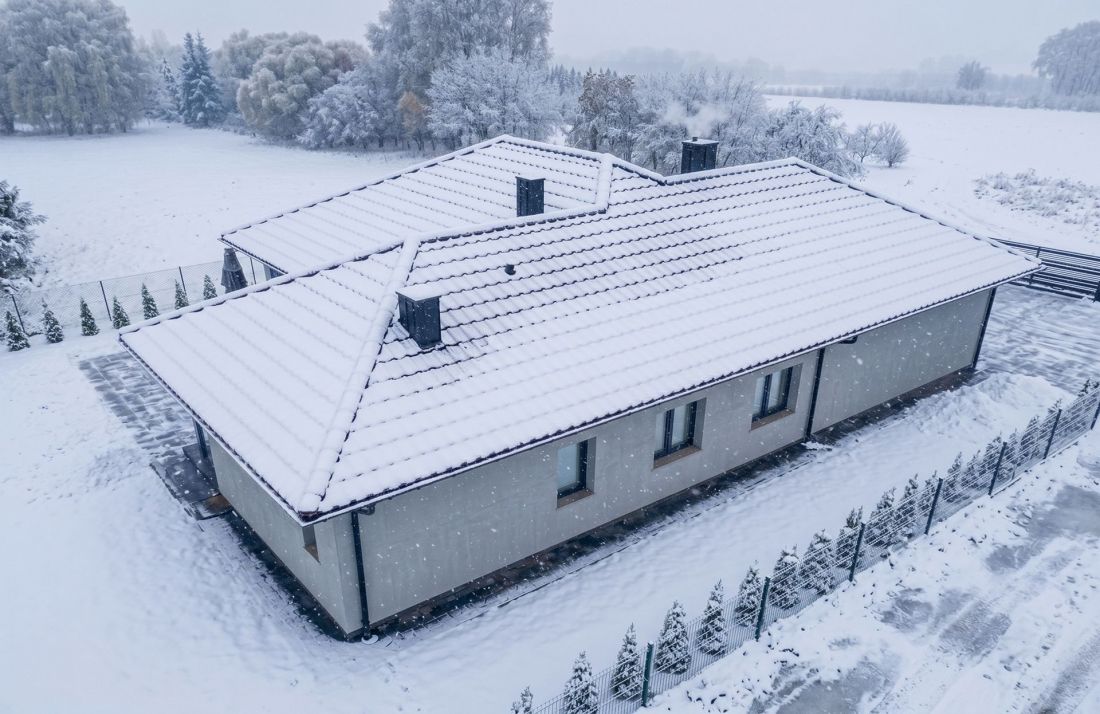
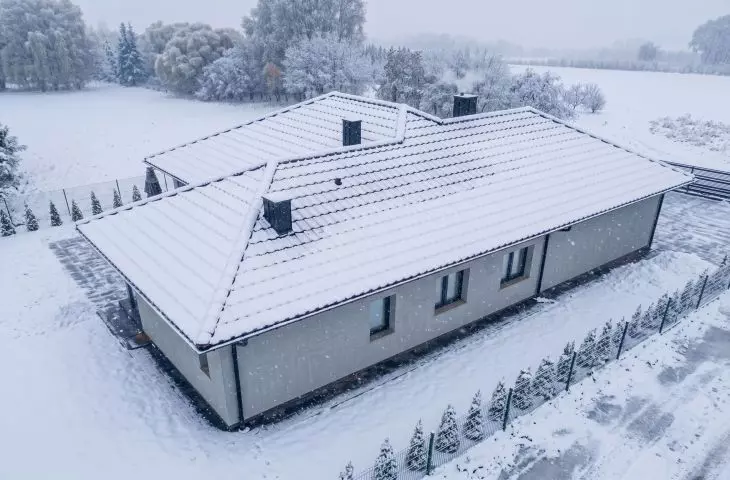
Winter is the harshest test for a house, well-chosen thermal insulation determines the amount of bills for decades to come
© swisspor
Home as an ecosystem
Building in 2026 is no longer just a matter of aesthetics and square footage. It's a decision about how we want to live - how much energy we use, what kind of footprint we leave, what we pass on to the next generation.
Good thermal insulation is not "an investment that will pay for itself in a dozen years." - It represents the fundamental quality of a dwelling. We experience it in different ways. In winter as evenly warm walls and floors, without cold corners and drafts. In summer as a home that doesn't heat up like a greenhouse. All year round as bills that are not a monthly surprise.
For swisspor, construction is an ecosystem - and that's why the company offers solutions for every layer of it, designed according to a consistent energy-saving philosophy. With a swissporTON tile roof underneath a wall insulated with swissporLAMBDA and a foundation protected with swissporXPS - the house really holds heat. From bottom to top. From inside to outside.
This is the invisible architecture of comfort.
The swisspor thermal insulation materials and swissporTON tiles are available nationwide through building depots. The products are subject to rigorous quality control and meet European standards. For more information: www.swisspor.pl and www.swissporTON.pl.
For more information, visit the company's Swisspor Polska page on the PdA portal.
sponsored article